The Calorie Equation: Why Quality Matters as Much as Quantity
Building muscle requires energy. At a fundamental level, you need to be consuming enough calories to support muscle protein synthesis alongside your training, for most women, this means eating at maintenance or a modest surplus (200–300 calories above your total daily energy expenditure). An aggressive surplus doesn't build muscle faster; it primarily adds excess fat alongside the muscle.
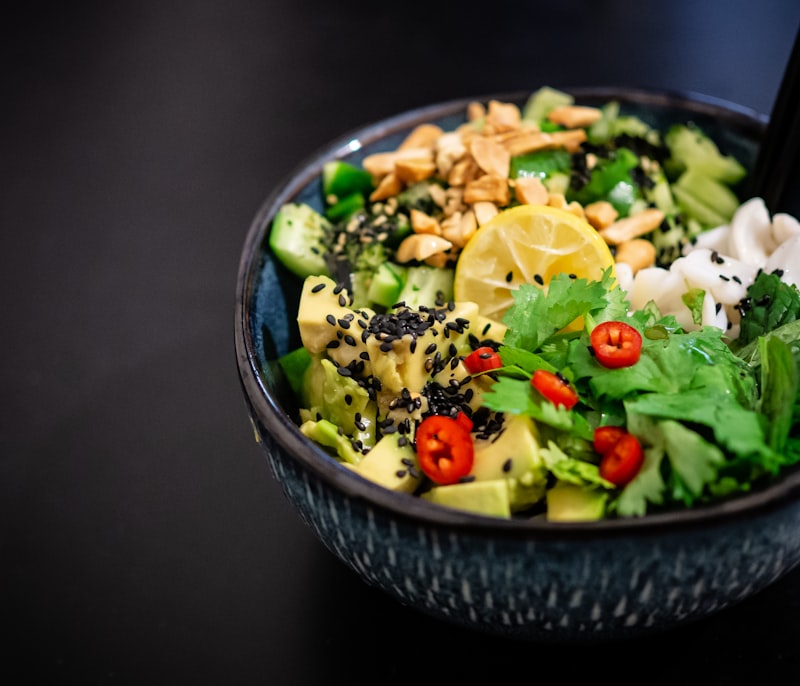
That said, the quality of those calories matters enormously. 2000 calories of whole foods, lean proteins, complex carbohydrates, healthy fats, and micronutrient-rich vegetables, produces a vastly different hormonal and physiological response than 2000 calories of processed food, even if the macronutrient ratios appear identical on paper.
The critical insight from Morton et al. (2018), one of the most comprehensive protein meta-analyses to date, covering 49 studies and 1800 subjects, is that protein intake is the single most important nutritional variable for muscle gain. But protein doesn't operate in isolation; carbohydrates, fats, and micronutrients all play essential supporting roles.
Protein: The Foundation of Muscle Growth
The standard dietary recommendation (RDA) for protein is 0.8g per kilogram of bodyweight, a figure designed to prevent deficiency in sedentary populations, not to optimize muscle building. For women engaged in regular resistance training, the research is unambiguous:
1.6–2.2g of protein per kilogram of bodyweight per day is the evidence-based range for maximizing muscle protein synthesis (MPS). The higher end (2.0–2.2g/kg) is particularly beneficial during a caloric deficit, when protein needs to work harder to preserve lean mass.
Practical targets:
- 60 kg woman training 4×/week → 96–132g protein/day
- 70 kg woman training 4×/week → 112–154g protein/day
- 80 kg woman training 4×/week → 128–176g protein/day
The Leucine Threshold
Not all protein triggers muscle growth equally. The key molecular trigger is leucine, an essential branched-chain amino acid that activates the mTOR pathway, the primary cellular signaling cascade for muscle protein synthesis. Research suggests a minimum of approximately 2.5–3g of leucine per meal is required to maximally stimulate MPS, this is the "leucine threshold."
Animal proteins (meat, fish, eggs, dairy) are leucine-rich and generally exceed this threshold easily at normal meal-sized portions. Plant proteins are leucine-poorer, meaning plant-based athletes need to consume slightly larger quantities per meal, or strategically pair sources (e.g., rice + lentils).
Protein distribution across meals
Moore et al. (2009) demonstrated that even distribution of protein across 4 meals (each containing 30–40g) produces significantly more muscle protein synthesis over 24 hours than the same total protein concentrated into 1–2 large meals. The practical implication: don't skip breakfast and pile all your protein into dinner.
Carbohydrates: Fuel for Muscle-Building Work
Carbohydrates are not the enemy of muscle growth, they are the primary fuel for it. When you perform resistance training, your muscles draw primarily on glycogen (the stored form of glucose in muscle tissue) for energy. Glycogen depletion reduces training performance, which limits the stimulus for hypertrophy.
Pre-workout carbohydrates
Consuming 30–60g of carbohydrates 1–2 hours before training has been shown to improve training performance, more reps completed, more total volume accumulated, without negatively impacting body composition. High-GI carbohydrates (white rice, banana, fruit juice) are digested quickly and are ideal pre-workout. Low-GI carbohydrates (oats, sweet potato, whole grain bread) provide slower, more sustained energy.
Post-workout carbohydrates
After training, insulin sensitivity is elevated, meaning glucose is partitioned preferentially into muscle glycogen rather than fat stores. This is an ideal time to consume moderate-GI carbohydrates alongside post-workout protein, the combination of protein and carbohydrates post-exercise is more effective for glycogen resynthesis and muscle repair than protein alone.
Total daily carbohydrate intake
For active women building muscle, a general target of 3–5g of carbohydrate per kilogram of bodyweight per day supports training performance and recovery. Adjust based on training volume and individual response.
Dietary Fats: Hormones, Cell Membranes, and Muscle Protein Synthesis
Fat is essential, not optional. Dietary fat is required for:
- Hormonal production: Testosterone, estrogen, and cortisol are all synthesized from cholesterol. Chronically low fat intake (below ~20% of total calories) suppresses sex hormone production, impairing muscle growth and recovery.
- Cell membrane integrity: Every muscle cell is surrounded by a phospholipid bilayer. The composition of this membrane affects insulin sensitivity and nutrient transport into the cell.
- Omega-3 fatty acids and MPS: Multiple studies have demonstrated that omega-3 supplementation (2–3g EPA+DHA per day) directly augments muscle protein synthesis and reduces exercise-induced inflammation. Fatty fish (salmon, mackerel, sardines) eaten 2–3 times per week covers most people's omega-3 needs.
A practical target: 0.5–1g of fat per kilogram of bodyweight per day, with emphasis on unsaturated fats (olive oil, avocados, nuts, fatty fish) and adequate omega-3 intake.
Micronutrients: The Invisible Support System
Macronutrients build muscle; micronutrients enable it. Three micronutrients are particularly critical for women engaged in resistance training:
- Vitamin D: Functions more like a hormone than a vitamin. Vitamin D receptors are present in muscle tissue and are involved in regulating muscle protein synthesis. Deficiency, extremely common in northern latitudes and office workers, is associated with reduced muscle function, strength, and recovery speed. Target: 1000–2000 IU/day from supplementation if sun exposure is limited. Get levels tested annually.
- Magnesium: Involved in over 300 enzymatic reactions, including ATP production (the energy currency of all cellular work), protein synthesis, and muscle relaxation. Magnesium also directly impacts sleep quality, deeper sleep means higher growth hormone secretion and superior recovery. Good dietary sources: dark leafy greens, pumpkin seeds, dark chocolate, whole grains.
- Zinc: Essential for testosterone production (yes, women need testosterone too, just at lower levels), immune function, and protein synthesis. Athletes commonly deplete zinc through sweat. Best dietary sources: oysters, beef, pumpkin seeds, legumes.
Meal Timing: Pre- and Post-Workout Nutrition Windows
The concept of a strict "anabolic window", the idea that you must consume protein within 30 minutes of training, was largely overstated by supplement marketing. Schoenfeld et al.'s 2013 meta-analysis found that total daily protein intake is far more important than precise timing.
However, some timing principles remain worth following:
- Pre-workout (1–2 hours before): 25–40g protein + 40–60g carbohydrates. A meal of rice + chicken, oats + Greek yogurt, or a protein shake + banana works well. This primes muscle protein synthesis before the workout begins.
- Post-workout (within 2 hours): 25–40g protein + moderate carbohydrates. The 2-hour window is real but forgiving, there's no need to panic if you don't eat within 20 minutes of finishing your session.
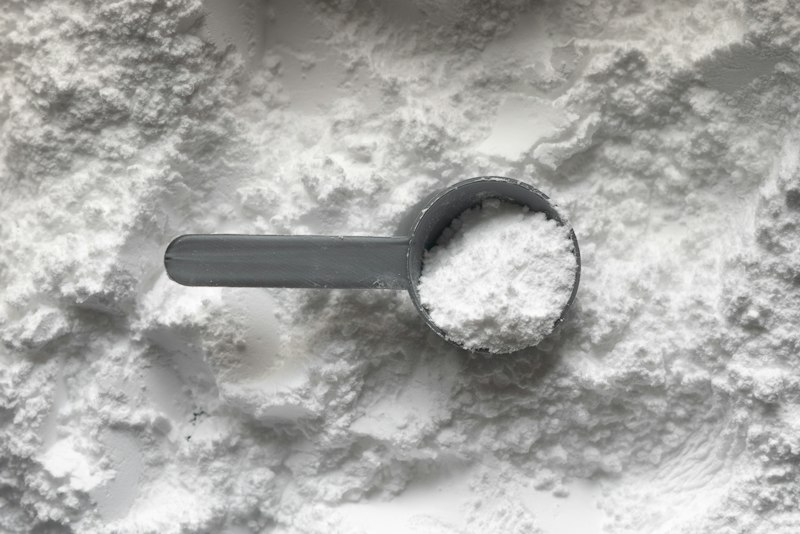
- Pre-sleep protein: Res et al. (2015) found that 40g of casein protein consumed before sleep increased overnight muscle protein synthesis by 22% vs. placebo. Cottage cheese, Greek yogurt, or casein powder before bed is a practical, evidence-backed strategy.
A Practical Sample Day of Eating (1800–2000 kcal, High Protein)
For a 65 kg woman training 4 times per week, targeting 125–130g protein:
- Breakfast (8:00): 3 whole eggs scrambled + 150g Greek yogurt (2%) + 100g berries + 30g oats = ~420 kcal, 42g protein
- Lunch (12:30): 140g grilled chicken breast + 120g cooked rice + large mixed salad with olive oil dressing = ~520 kcal, 45g protein
- Pre-workout snack (4:00): 1 banana + 30g whey protein shake = ~230 kcal, 28g protein
- Dinner (7:30): 160g salmon fillet + 200g roasted vegetables + 100g sweet potato = ~480 kcal, 38g protein
- Pre-sleep snack (9:30): 150g low-fat cottage cheese = ~110 kcal, 17g protein
Daily total: ~1760 kcal | ~170g protein | ~180g carbohydrates | ~55g fat
Hydration: The Overlooked Performance Variable
A 2% reduction in body water content reduces strength output by approximately 10–15% and significantly impairs cognitive function. Muscle tissue is approximately 75% water, hydration directly affects the cellular environment for protein synthesis.
Target: 35–45ml of water per kilogram of bodyweight per day, plus 500–750ml extra per hour of training. Urine color is a reliable practical indicator, pale yellow indicates adequate hydration; dark yellow indicates dehydration.
Common Nutrition Mistakes
- Chronically undereating protein: The most common and most costly mistake. Most women eating an untracked diet consume 60–80g protein/day, roughly half of what resistance training requires for optimal muscle growth.
- Fear of carbohydrates: Low-carb diets reduce glycogen availability, impairing training performance and total weekly volume, the primary driver of hypertrophy. Carbohydrates are not your enemy; they are your training fuel.
- Skipping breakfast or delaying first meal: Overnight fasting means muscle protein breakdown exceeds synthesis. A protein-rich breakfast stops the catabolic state and initiates the first MPS spike of the day.
- Inconsistent eating patterns: Eating 20g of protein on Monday and 150g on Wednesday does not average to an optimal 85g/day. The body cannot store amino acids the way it stores fat. Consistency across days matters.
- Neglecting micronutrients: Training without adequate Vitamin D, magnesium, and zinc is like building a house without cement, the structure exists, but it won't hold together under load.
Sources & Further Reading
- Morton, R.W. et al. (2018). A systematic review, meta-analysis and meta-regression of the effect of protein supplementation on resistance training-induced gains in muscle mass and strength. British Journal of Sports Medicine, 52(6). PubMed
- Moore, D.R. et al. (2009). Ingested protein dose response of muscle and albumin protein synthesis after resistance exercise in young men. American Journal of Clinical Nutrition. PubMed
- Res, P.T. et al. (2015). Protein ingestion before sleep improves postexercise overnight recovery. Medicine & Science in Sports & Exercise. PubMed
- Smith, G.I. et al. (2011). Dietary omega-3 fatty acid supplementation increases the rate of muscle protein synthesis in older adults. American Journal of Clinical Nutrition, 93(2). PubMed