How Much Protein Do Women Actually Need?
The standard government dietary recommendation (RDA) for protein is 0.8g per kilogram of bodyweight, but this figure was designed to prevent deficiency in sedentary populations, not to optimize muscle building.
For women engaged in regular resistance training, the research is clear: 1.6–2.2g of protein per kilogram of bodyweight per day is the range that maximizes muscle protein synthesis (Morton et al., 2018).
Practical example:
- 65 kg woman → 104–143g protein per day
- 75 kg woman → 120–165g protein per day
The higher end of this range (2.2g/kg) is beneficial if you're in a caloric deficit (cutting), as more protein helps preserve muscle mass when calories are restricted.
The Leucine Threshold: Why Protein Quality Matters
Not all protein sources trigger the same muscle-building response. The key factor is leucine, an essential amino acid that acts as the primary trigger for muscle protein synthesis (MPS).
Research by Dr. Donald Layman at the University of Illinois showed that a minimum of approximately 2.5–3g of leucine per meal is required to maximally stimulate MPS. This is sometimes called the "leucine threshold."
Leucine content of common protein sources (per 100g):
- Chicken breast: ~2.7g leucine (excellent)
- Salmon: ~2.2g leucine (excellent)
- Eggs (4 whole): ~2.4g leucine (excellent)
- Greek yogurt (200g): ~1.8g leucine (good)
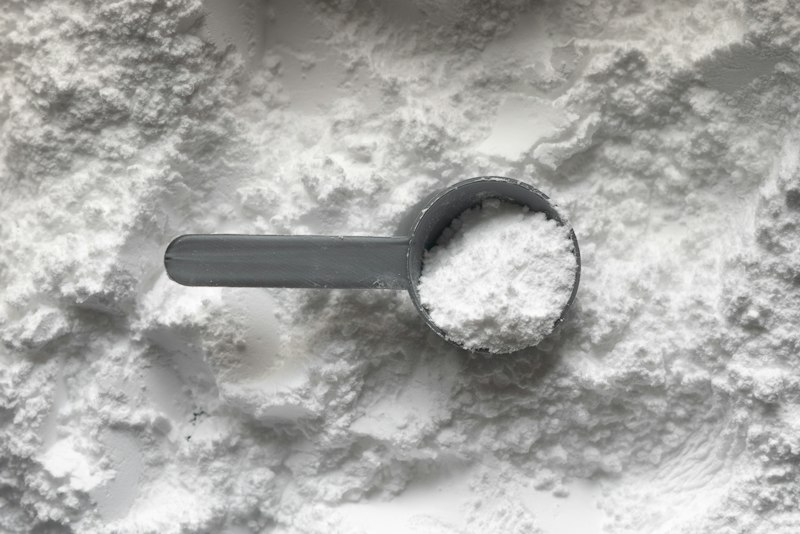
- Whey protein (30g scoop): ~3.0g leucine (excellent)
- Lentils (cooked, 200g): ~1.3g leucine, pair with rice or quinoa to reach threshold
Plant proteins generally have lower leucine content, but this doesn't mean they're inferior, it means plant-based eaters need to eat slightly more protein to hit the same leucine threshold per meal.
Does Protein Timing Matter?
The "anabolic window", the idea that you must consume protein within 30 minutes of training or the opportunity is lost, was largely overstated by supplement marketing.
A 2013 meta-analysis by Schoenfeld et al. found that total daily protein intake matters far more than precise timing. However, there are still some timing principles worth following:
- Within 2 hours post-workout is ideal for muscle repair, but the difference between 30 minutes and 2 hours is minimal
- Pre-sleep protein: A 2015 study by Res et al. found that 40g of casein protein before sleep increased overnight MPS by 22% compared to placebo. Cottage cheese, Greek yogurt, or casein powder work well here.
- Even distribution across meals: 4 meals each containing 30–40g of protein produces more MPS than 3 meals where one contains most of the day's protein (Moore et al., 2009).
Practical Meal Structure
For a 65 kg active woman targeting 130g protein daily, a sample structure:
- Breakfast (8am): 3 eggs + 150g Greek yogurt = ~33g protein
- Lunch (1pm): 120g chicken + vegetables + quinoa = ~38g protein
- Dinner (7pm): 150g salmon + roasted vegetables = ~35g protein
- Pre-sleep snack (9:30pm): 150g cottage cheese = ~18g protein
Total: ~124g, without any supplements.
Do You Need Protein Supplements?
Supplements are not necessary if you can hit your protein targets through whole foods. However, whey protein offers two practical advantages:
- Highest leucine content of any common protein source (~12% by weight)
- Rapid absorption rate, useful post-workout when appetite may be low
If whole foods feel like too much volume, a 1–2 scoop shake per day is a convenient and effective supplement, but it's an addition to a good diet, not a replacement for one.
Sources & Further Reading
- Morton, R.W., et al. (2018). A systematic review, meta-analysis and meta-regression of the effect of protein supplementation on resistance training-induced gains in muscle mass and strength. British Journal of Sports Medicine, 52(6). PubMed
- Res, P.T., et al. (2015). Protein ingestion before sleep improves postexercise overnight recovery. Medicine & Science in Sports & Exercise. PubMed
- Moore, D.R., et al. (2009). Ingested protein dose response of muscle and albumin protein synthesis after resistance exercise in young men. American Journal of Clinical Nutrition. PubMed
- Layman, D.K. (2003). The role of leucine in weight loss diets and glucose homeostasis. Journal of Nutrition, 133(1). PubMed